
August 10, 2026 · Michael Rodriguez
Does 24/7 Phone Answering Actually Pay for Itself?
A no-hype look at whether round-the-clock phone answering pencils out for home-service businesses. Real math, real trade-offs.
The short answer
Definition
24/7 Phone Answering Service: A live or AI-assisted service that answers your business line at all hours, captures caller information, qualifies the lead, and either books the job or routes urgent calls to an on-call tech. It replaces voicemail for after-hours, weekend, and overflow calls.
What does a missed call actually cost a home-service business?
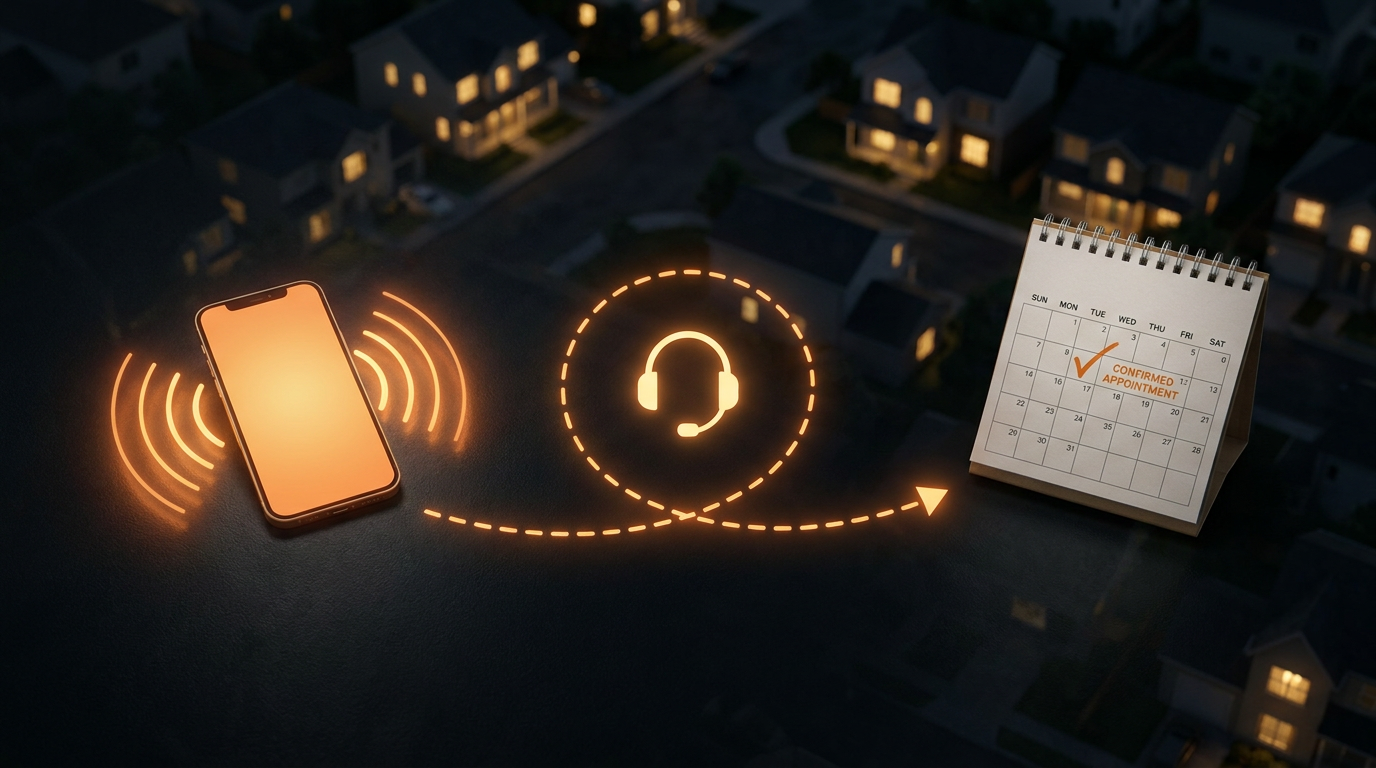
A missed call is not just a lost ring. It is a caller who, statistically, will dial the next contractor on the list. For trade businesses, average job values run from a few hundred dollars for a service visit to several thousand for a replacement or installation. Lose two booked jobs a month to voicemail and you can tally that up fast.
Research from Google and BrightLocal consistently shows that the majority of consumers who cannot reach a business on the first try do not leave a voicemail. They move on. Voicemail has become a dead end for many callers, especially those calling from a search result at 9 p.m. because their water heater just quit.
Source: VoiceMail Research, various consumer behavior studies cited in industry analysis
How do you run the break-even math?
Break-even analysis here is straightforward. Take your average job value, subtract your average job cost, and that gives you gross profit per job. Then divide your monthly answering service fee by that gross profit number. The result is the number of incremental booked jobs you need each month to break even.
For example: a plumbing company with a 500-dollar average job value and 200-dollar job costs has 300 dollars gross profit per job. If a 24/7 answering service runs 300 dollars a month, the company needs exactly one additional booked job per month to cover the cost. Everything above that is upside.
Most answering services for small trade businesses run somewhere between 150 and 500 dollars per month depending on call volume and features. That is a low hurdle when your average ticket is measured in hundreds or thousands of dollars.
Note
What types of calls actually convert after hours?
Not every after-hours call is an emergency. Here is a realistic breakdown of what you will get:
- Emergency service calls: Burst pipes, no heat in winter, flooded basements. These callers have high urgency and will pay premium rates. They convert at a very high rate when answered live.
- Estimate requests: Homeowners researching in the evening. They called three contractors. The one who answered got the appointment.
- Existing customer follow-ups: Callbacks about ongoing jobs or questions about an invoice. Low revenue, but high value for retention.
- Wrong numbers and solicitations: Yes, these will happen. A good service filters them so you are not paying per-minute fees for junk calls.
The highest-value calls are the emergency and same-day-request calls. Those are the ones your competitors are also missing if they rely on voicemail. Answering those calls is a direct competitive advantage.
The contractors who grow fastest are not always the best at the trade. They are the ones who pick up the phone when everyone else sends the caller to voicemail.
Live agent versus AI answering: which one actually performs?
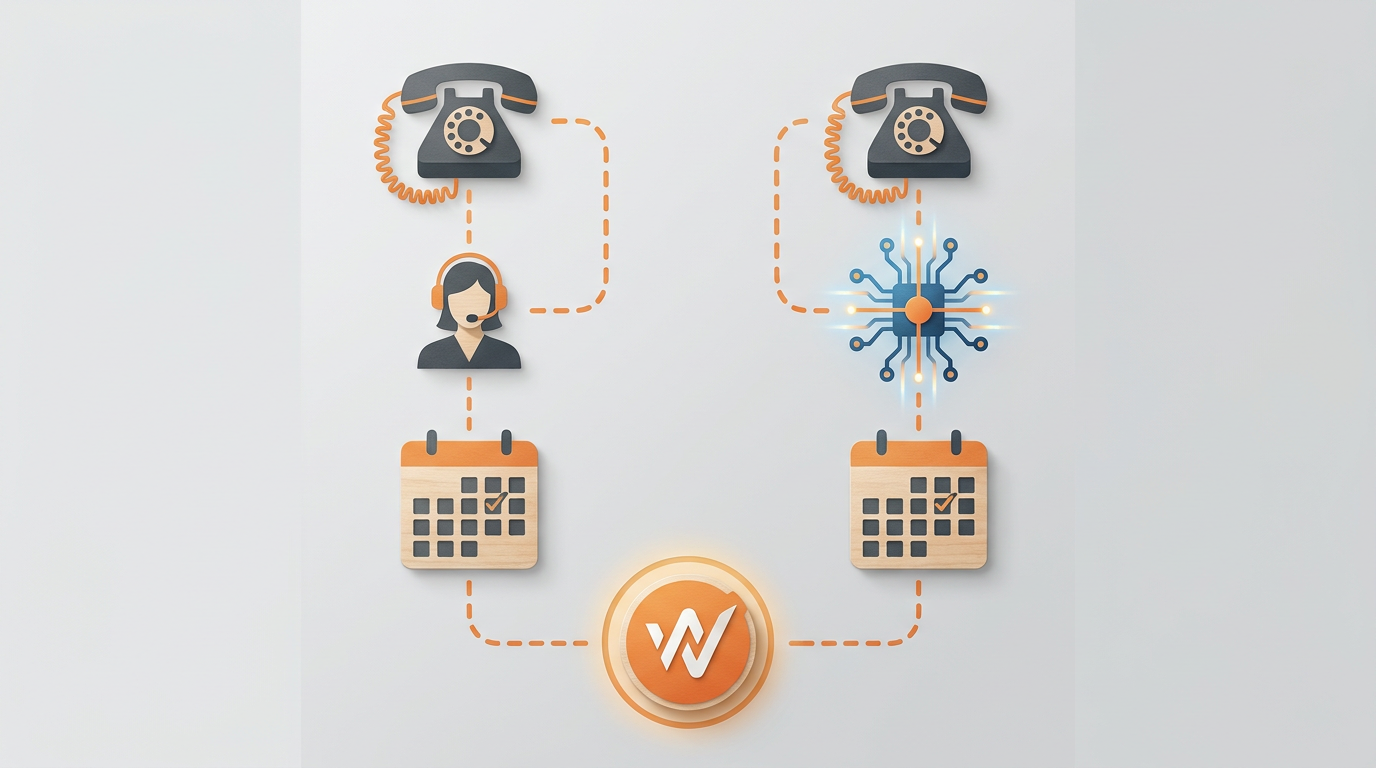
This is a real trade-off, not a marketing question. Live agents feel more human, handle complex conversations better, and can de-escalate a panicked caller. They cost more and occasionally have hold times.
AI-powered answering has improved significantly. Modern systems can capture lead information, qualify urgency, and book appointments directly into your scheduling software without a human in the loop. They do not have hold times and do not cost more at 2 a.m. than at 2 p.m.
For most home-service owners, the right answer depends on call complexity. HVAC dispatching with multiple service tiers and warranty questions benefits from a live agent. A simple appointment-booking flow for a window cleaning company can run entirely on a well-built AI system.
Some services blend both: AI handles the initial capture and booking, and a live agent is available for escalation. That hybrid model is increasingly common and often the best cost-to-performance ratio.
What hidden costs should you watch for?
The advertised monthly rate is rarely the whole number. Before you sign, ask about:
- Per-minute billing overages: Some services charge a flat rate up to a call-minute threshold and then bill by the minute above it. A busy month can double your bill.
- Setup and onboarding fees: One-time costs to build your call script, integrate with your CRM, or port a number.
- Contract length and cancellation terms: Month-to-month is better for testing. Some services lock you into annual contracts.
- Integration costs: If you want calls booked directly into your field service software, confirm the integration is included or price out the add-on.
Read the service agreement before you commit. The fine print on overage billing is where unexpected costs hide.
Note
How do you measure whether it is working?
You cannot manage what you do not measure. Set up these tracking points from day one:
- Calls answered after hours: Your answering service should provide a log. Review it weekly at first.
- Leads captured vs. jobs booked: Not every answered call becomes a job. Track conversion separately so you know your close rate on after-hours leads.
- Revenue attributed to after-hours bookings: Tag these jobs in your field service software so you can pull a monthly revenue number.
- Cost per booked job: Divide your monthly service fee by the number of jobs booked through the service. Compare that to your other lead sources.
After 60 to 90 days you will have real data. If the service is not generating at least break-even revenue, either your call volume is too low to justify it yet, or your conversion process needs work. The answering service gets you the call; your team still has to close it.
For a deeper look at how answering fits into a full lead-capture system, see how our discovery process works and how the whole system connects.
Who should skip it or wait?
Not every business is ready for this. Skip it or wait if:
- You are already booked out and cannot take on more work. Answering more calls you cannot fulfill damages your reputation.
- Your average job value is very low and your margins are thin. The math may not pencil even with perfect conversion.
- You do not have a dispatch or scheduling process that can handle after-hours bookings. Capturing the lead and then fumbling the follow-up is worse than not capturing it.
If any of those apply, fix the underlying capacity or process issue first. An answering service amplifies what you already have. If what you have is broken, more calls will not help.
Want to talk through whether your current call volume and job mix make 24/7 answering worth it? Reach out and we will run the numbers with you.
For more on how live answering compares to other lead capture tools, the Harvard Business Review has published research on lead response time showing that speed of first contact is one of the strongest predictors of conversion, regardless of channel.
See what this looks like for your shop.
The AI Phone Guy answers every call, qualifies the lead, books the job, and texts you the details, day and night. Book a quick discovery call and we will walk through your numbers together.