
October 5, 2026 · Michael Rodriguez
How After-Hours Answering Changes the Game for a Solo Electrician
Solo electricians lose jobs every night when calls go to voicemail. Here is what after-hours answering actually does for your revenue and reputation.
The short answer
Definition
After-Hours Answering: A service where calls to your business number are answered by a live agent or AI-powered virtual receptionist outside your normal working hours, including evenings, weekends, and holidays. The agent qualifies the caller, books appointments, or escalates true emergencies to you directly.
If you are a solo electrician, your phone is your storefront. You cannot be on a roof with a wire stripper in one hand and a phone in the other. But the moment a homeowner hears voicemail, most of them hang up and dial the next electrician on Google. That job is gone before you ever knew it existed.
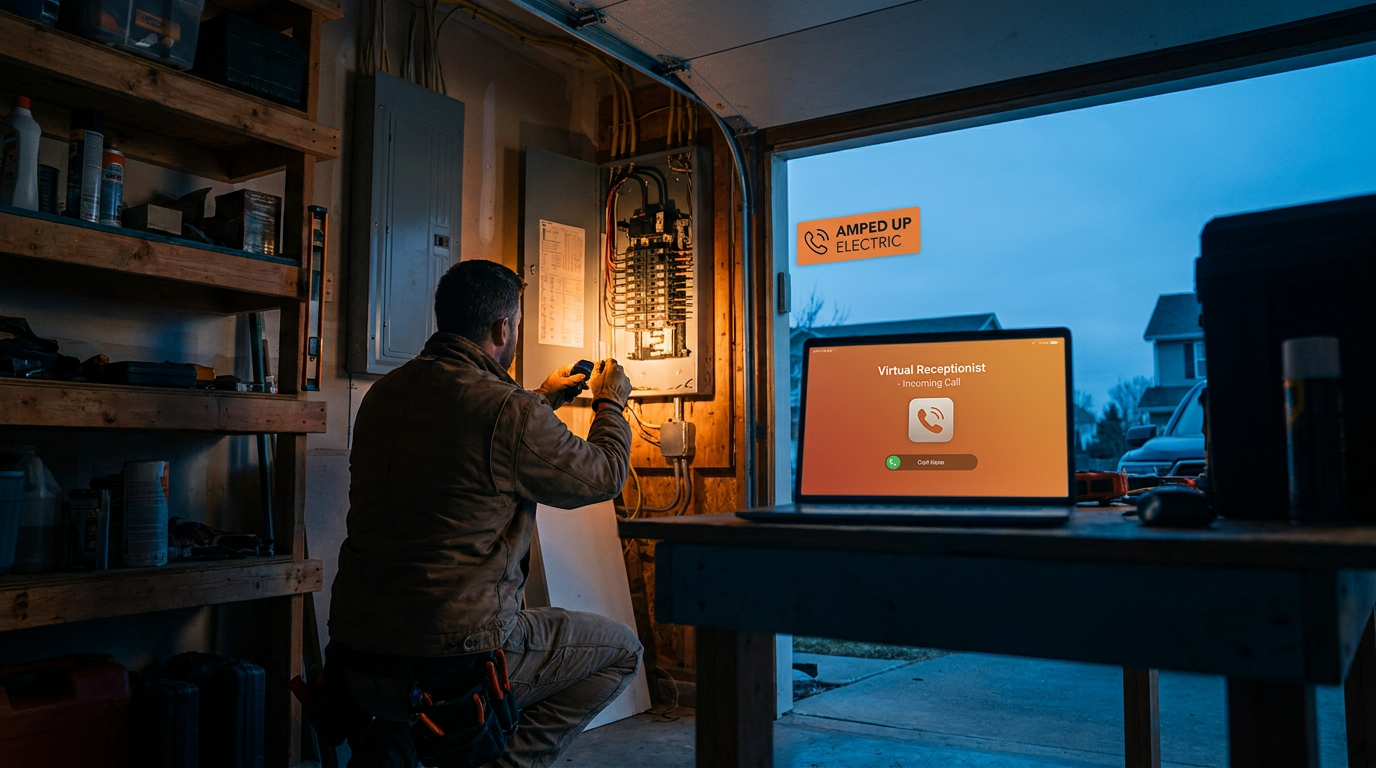
Why do after-hours calls matter more for solo operators than for big crews?
A multi-tech electrical company can afford to miss a few leads because volume covers the gaps. A solo operator cannot. Every missed call is a direct percentage of your monthly revenue walking out the door.
Homeowners rarely plan electrical problems. A breaker trips at 9 p.m. A kitchen outlet stops working the morning of Thanksgiving. A landlord finds a tenant complaint about flickering lights on a Sunday. These people are not browsing at their leisure. They are stressed, they want someone now, and the first electrician who answers gets the job.
The first electrician who answers gets the job. Not the best electrician. Not the cheapest. The first one who picks up.
According to research published by Harvard Business Review, companies that respond to leads within an hour are far more likely to qualify that lead than those who wait longer. The same principle applies to inbound calls: speed of answer is the deciding factor when a homeowner has three tabs open on Google.
What kinds of calls actually come in after hours?
Not every after-hours call is a 2 a.m. emergency. In practice, the calls break down into a few buckets:
- Emergencies such as burning smells, sparks, or total power loss that the caller wants addressed tonight and will pay emergency rates for
- Next-day bookings from people who worked all day, thought about their electrical problem on the drive home, and are now ready to schedule
- Estimate requests from homeowners getting quotes on a renovation who are doing their research in the evening
- Landlord and property manager calls who manage properties after their own day jobs and need a reliable trade partner they can reach
- Repeat customers who already trust you and do not want to start over with someone new
An after-hours answering service captures all of these. A voicemail captures none of them reliably.
Note
How does the answering service know what to do with each call?
This is the part that trips up a lot of solo operators. They picture a generic call center reading from a script that has nothing to do with electrical work. A well-set-up service operates differently.
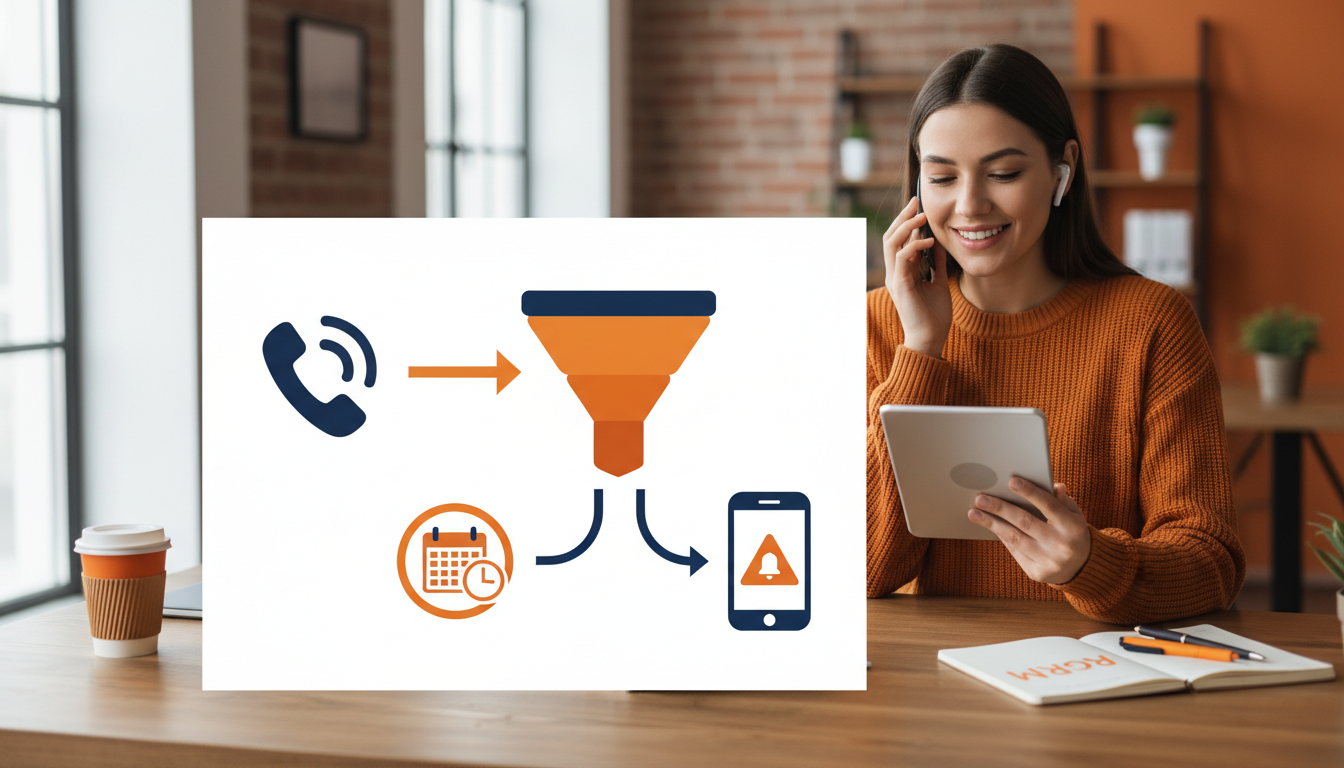
When you work with a service built for home-service businesses, you provide an intake script that covers your service area, your rates or rate ranges, how you handle emergencies, and what information you need before booking a job. The agent or virtual receptionist follows that script, collects the caller's name, address, type of problem, and preferred time, and either books directly into your scheduling software or sends you a notification.
For genuine emergencies, a good setup includes an escalation path where the agent texts or calls you directly so you can decide whether to roll out. You stay in control. You are not getting woken up for a non-urgent callback request, only for the calls that actually warrant it.
Does after-hours answering actually affect your reputation online?
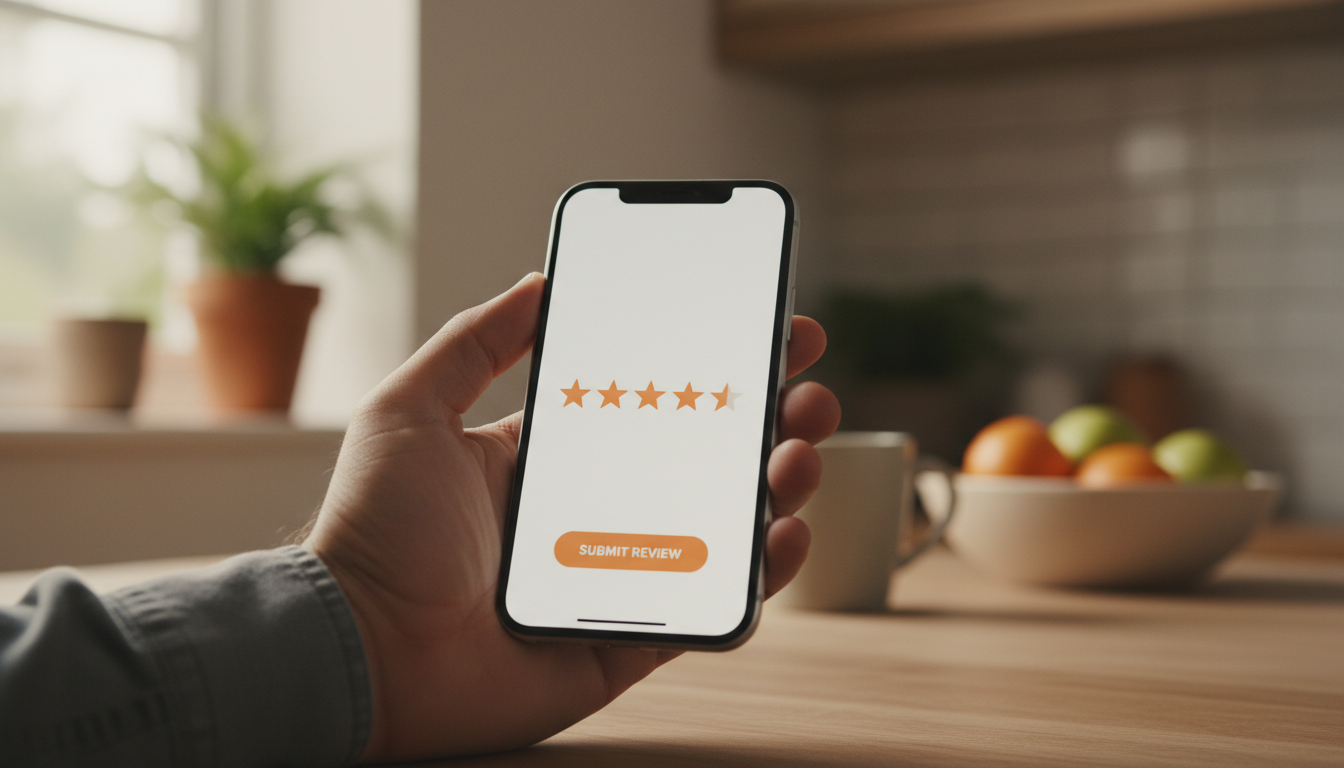
Yes, in a more direct way than most electricians expect. Review platforms reward responsiveness. When a homeowner calls at 8 p.m., gets a helpful person, books a job for the next morning, and has the problem fixed by noon, that is a five-star review story. When they get voicemail, call someone else, and still feel frustrated the next day, you get nothing, or worse, a mention in a negative review for someone they did eventually hire.
For a solo operator, your Google Business Profile reviews are a primary driver of new calls. A pattern of fast, professional responses builds the review base that keeps your phone ringing without paid ads.
You can learn more about how professional call handling fits into a broader growth system on our how it works page.
What should you look for when choosing a service?
Not all answering services are built the same. Here is what to evaluate before you sign up:
- Trade-specific experience: Does the service understand electrical terminology, urgency levels, and what information matters for a job quote? Generic services often collect the wrong details.
- Real-time booking integration: Can the agent book directly into your calendar or scheduling tool, or are they just taking messages that you have to follow up on the next morning?
- Escalation protocol: Is there a clear, agreed-upon way to reach you for true emergencies without flooding you with every inquiry?
- Transparent pricing: Month-to-month with clear per-minute or per-call rates beats long-term contracts with unpredictable overage fees.
- Call recording and notes: You should be able to review every interaction so you can refine the intake script over time.
If you want to see how this kind of setup is structured for home-service operators, the discovery page walks through the qualification process.
Is after-hours answering worth the cost for a solo operator?
Run the math for your own numbers rather than relying on generic benchmarks. Think about your average job ticket. If you close a single after-hours lead per week that you would have otherwise lost to voicemail, how long does it take for that revenue to cover the service cost? For most solo electricians, that answer is a matter of days, not months.
The second cost to weigh is your own time. Right now, if you are trying to answer every call yourself, you are either distracted on job sites or you are spending evenings returning calls. Neither is sustainable. After-hours answering buys back that time and puts a professional front on your business without hiring an employee.
For further context on how home-service businesses are adapting phone systems, the Small Business Administration's resources on customer communication offer a grounded starting point.
When you are ready to stop losing after-hours jobs to competitors who simply picked up the phone, the contact page is the place to start.
See what this looks like for your shop.
The AI Phone Guy answers every call, qualifies the lead, books the job, and texts you the details, day and night. Book a quick discovery call and we will walk through your numbers together.