September 30, 2026 · Michael Rodriguez
How Does AI Answering Handle a Plumbing Emergency Call?
See exactly how AI answering works when a homeowner calls at 2 a.m. with a burst pipe. No hype, just the real call flow.
The short answer
Definition
AI Answering: An AI answering system is a voice or text-based software layer that answers inbound calls on behalf of a business, collects caller information, classifies intent, and routes or escalates the call according to rules the business owner sets. It is not a recorded message and not an offshore call center.
Plumbing owners lose jobs every week not because their work is bad but because the phone rang at the wrong hour. A homeowner standing in two inches of water will call the next number on Google if yours goes to voicemail. That is the whole problem AI answering is built to solve.
What actually happens in the first 10 seconds of an emergency call?
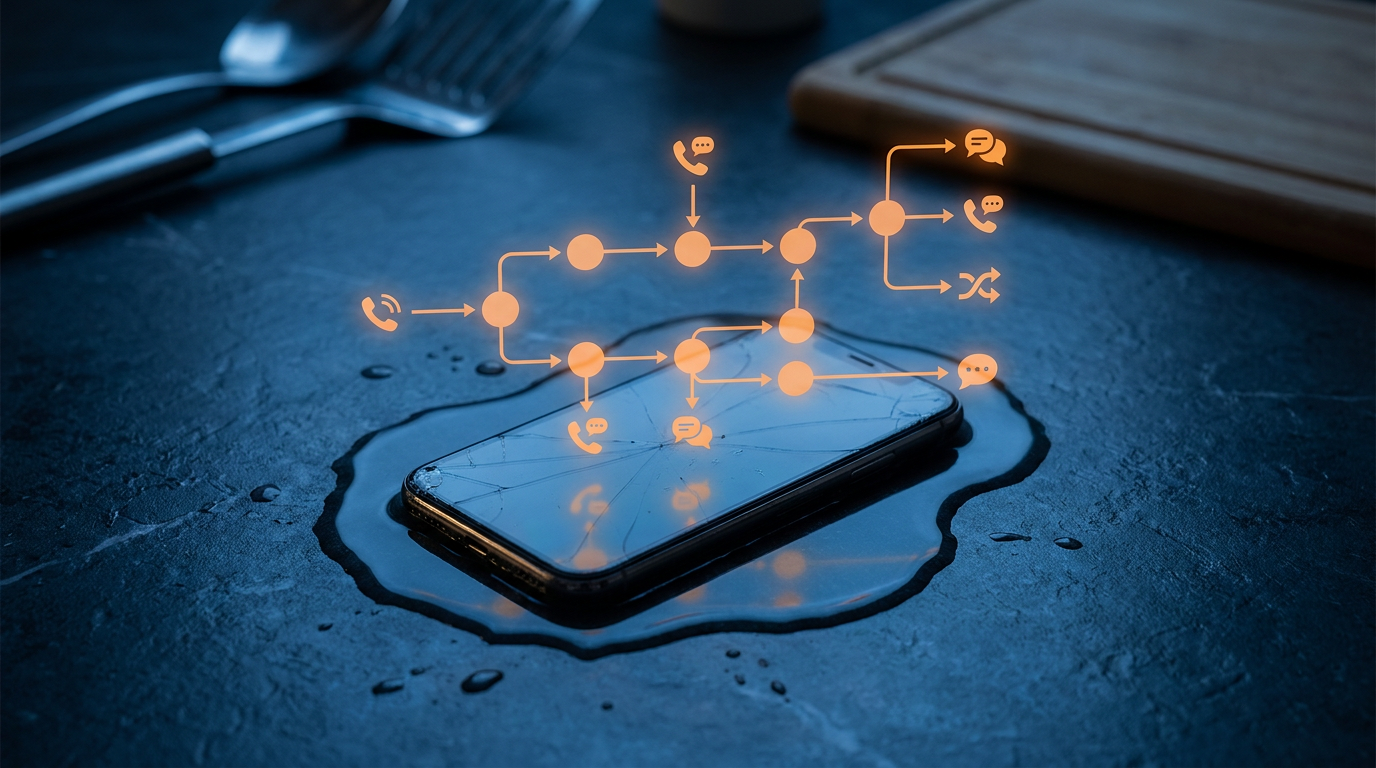
The system answers on the first or second ring, introduces itself using your business name, and begins a natural conversation. It does not read a script word for word. It listens for keywords like "flooding," "no water," "burst pipe," or "sewage backup" and flags those phrases against the emergency rules you configured.
Within those first seconds the caller knows a real response is happening. That matters. A panicked homeowner who hears "Your call is important to us" and hold music hangs up. One who hears "I can help you right now, can you tell me what is happening?" stays on the line.
How does the system decide if a call is a true emergency or a routine booking?
The AI uses a classification layer that weighs the words the caller uses, the time of day, and your configured priority rules. You set those rules during onboarding. Common emergency triggers for plumbing companies include active water flow, gas smell, sewage backup, and complete loss of water to the home.
A call about a dripping faucet at 10 a.m. gets routed to your standard booking flow. A call about water coming through a ceiling at midnight gets flagged immediately and handled through your emergency escalation path. The system does not guess. It follows the logic you approved.
Note
What does the call flow look like step by step?
Here is the typical sequence for a classified emergency call:
- Call comes in. AI answers within one to two rings using your business name.
- Caller describes the problem. AI listens and identifies emergency language.
- AI asks three to five triage questions: address, what is happening right now, is anyone in danger, has the main water shutoff been located.
- AI confirms it is escalating and gives the caller an estimated callback or connection time.
- System sends an alert to your on-call technician by text or app notification, including the caller name, address, and a summary of the problem.
- Depending on your setup, the AI either transfers the call live or holds the caller on the line until your tech picks up.
- A job record is created automatically in your dispatch or CRM tool.
The caller is never left wondering if anyone got the message. The tech gets actionable information before they even say hello.
Does the AI handle callers who are upset or panicking?
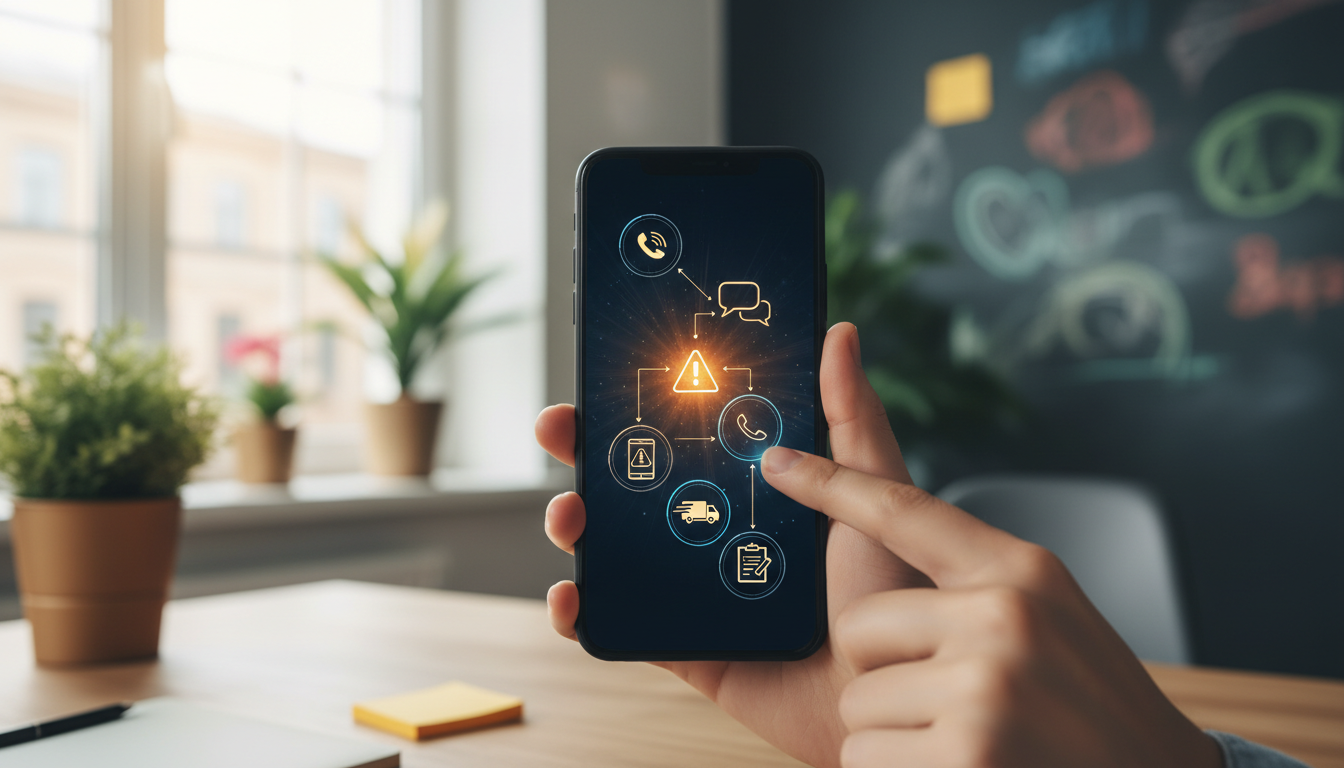
This is the question most owners ask first, and it is fair. The short answer is yes, within reason. Modern conversational AI is trained on de-escalation patterns. It speaks calmly, acknowledges urgency, and does not argue or talk over the caller. It is not a human, and it will not handle every emotional edge case perfectly, but neither will a half-asleep answering service operator at 3 a.m.
A panicked caller needs two things fast: to feel heard and to know help is coming. An AI that answers immediately and confirms escalation delivers both, even if the voice is synthetic.
For situations where the caller is truly in distress or the system detects it cannot resolve the interaction, a live transfer or escalation to a backup number is triggered. You define what that backup looks like.
What information does the technician receive before they call back?
Your on-call tech gets a structured summary, not a raw voicemail transcript. That summary typically includes:
- Caller name and phone number
- Service address
- Problem description in plain language
- Emergency classification reason
- Any notes the caller added during the conversation
- Time the call came in
This means the tech can look up the address, pull permit history if they have it, and load the right parts before making a single call. That reduces truck rolls and improves first-visit close rates without any extra labor from your office staff.
How does this compare to a traditional answering service?
Traditional answering services use human operators who work from a script you send them. They are better than voicemail but come with real limits: shift changes, operator variability, hold time during busy periods, and a per-minute billing model that adds up fast during an active storm season.
AI answering is consistent by design. It follows the same logic at 2 p.m. and 2 a.m. It does not have a bad night. It does not forget to ask for the address. For plumbing companies fielding high call volume during freeze events or major storms, that consistency is worth more than it looks on a feature sheet.
For a deeper look at how the onboarding process works, visit our how it works page.
Note
Is AI answering reliable enough for life-safety situations?
This is a reasonable concern and worth addressing directly. AI answering systems are designed to escalate, not to replace emergency services. If a caller mentions a gas smell, the system is configured to instruct them to leave the building and call 911 before any plumbing dispatch happens. That instruction is hard-coded, not left to the AI's judgment.
The National Fire Protection Association publishes guidance on gas emergency response that responsible systems reference when building those escalation rules. Your AI answering provider should be able to show you exactly what happens when a caller mentions gas or fire.
For further reading on how home-service businesses are adopting voice AI, the U.S. Small Business Administration has published resources on technology adoption for service contractors.
What do you need to set this up for your plumbing business?
Setup is simpler than most owners expect. You need to define three things before you go live:
- Your emergency triggers: what words or situations qualify
- Your escalation path: who gets the alert and how
- Your non-emergency flow: booking, hours, or callback queue
Most plumbing businesses can configure a working system in a single onboarding session. You do not need new phone hardware. The AI answering layer sits in front of your existing number.
If you want to see what the intake process looks like before committing, start with our discovery page or reach out directly with your call volume and hours.
See what this looks like for your shop.
The AI Phone Guy answers every call, qualifies the lead, books the job, and texts you the details, day and night. Book a quick discovery call and we will walk through your numbers together.